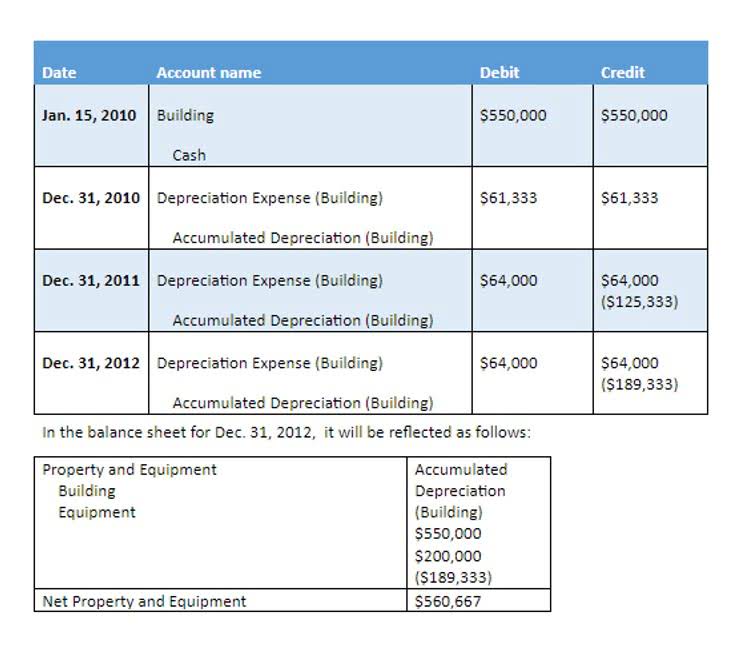
However, the IRS also stipulates that you can’t depreciate an asset below its salvage value. Because the idea of depreciation is to recover the cost of an asset as it’s being used, not to write off the entire cost even if the asset still has some worth. The basis cost of an asset includes any initial taxes, shipping fees, or Retained Earnings on Balance Sheet installation costs. This cost should be calculated first to get an accurate salvage value. When calculating depreciation in your balance sheet, an asset’s salvage value is subtracted from its initial cost to determine total depreciation over the asset’s useful life.
How to Find the Salvage Value of Your Car
It spreads the decrease evenly over the asset’s useful life until it reaches its salvage value. Technology assets usually have low salvage value, often 5-10% of original cost after five years. Use Section 179 expensing or 100% bonus depreciation for immediate tax benefits. Salvage value is the amount you expect to recover from an asset at the end of its useful life.
Asset Labels / Tags

If you don’t think the insurance company’s payout is fair and believe it is lowballing you on a total loss settlement, you can dispute it by submitting a counteroffer. You can use the settlement money from the insurance company to help you buy a new or used vehicle. However, it won’t be enough to cover a new version of the same car unless your insurance policy includes new car replacement coverage. At least 90% of the time, you will be better off letting the insurance company total it and walk away. The type of insurance coverage that kicks in if your car is totaled depends on the circumstances of the loss.
Should I estimate high or low?
- You must subtract this from the basis cost to avoid “double-dipping” on tax deductions, as per the IRS.
- Salvage value, also known as residual value or scrap value, is a fundamental concept in accounting and asset management.
- They consider this upfront when determining when they will declare a vehicle a total loss,” he said.
- It’s like tracking the mileage on your car, but for businesses, it’s about figuring out how much value an asset loses as it gets older.
- Salvage value helps to figure out how much your old stuff is worth when it’s done being useful.
- It uses the straight-line percentage on the remaining value of the asset, which results in a larger depreciation expense in the earlier years.
The problem involves evaluating an investment in a machine using several capital budgeting techniques. The machine costs 250,000, has a 5-year life, no salvage value, and straight-line depreciation. The tax rate is 40%, so we must calculate after-tax cash flows for ARR, NPV, and IRR. The payback period uses cumulative cash flows ignoring time value of money. Salvage value is crucial for calculating depreciation expense, after tax salvage value which affects a company’s financial statements. It’s deducted from the asset’s original cost to determine the total depreciable amount spread over the asset’s useful life.
- By understanding depreciation and salvage value, businesses can make informed decisions about asset disposal and salvage value.
- Even though they can’t predict the future perfectly, this estimate allows them to depreciate the building properly and plan for its eventual replacement or redevelopment.
- This cost will be depreciated straight-line to zero over the project’s five-year life, at the end of which the sausage system can be scrapped for $71,000.
- It represents the estimated value of an asset when it is no longer useful or productive to a company.
- It’s essential to keep accurate records of the asset’s depreciation and salvage value to ensure you’re taking advantage of the correct tax deductions.
- The TIN, issued by the IRS, is crucial for tax reporting and financial transactions.
If the asset’s salvage value increases, its useful life may decrease, and vice versa. The asset must also have a determinable useful life and be expected to last more than one year. The result of this calculation will invariably be lower than the current value of the asset. Salvage value is the monetary value obtained for a fixed or long-term asset at the end of its useful life, minus depreciation. Get instant access to video lessons taught by experienced investment bankers. Learn https://ateamse.com/what-is-shareholders-equity-2/ financial statement modeling, DCF, M&A, LBO, Comps and Excel shortcuts.